
Understanding the Importance of Plane Loan Audits
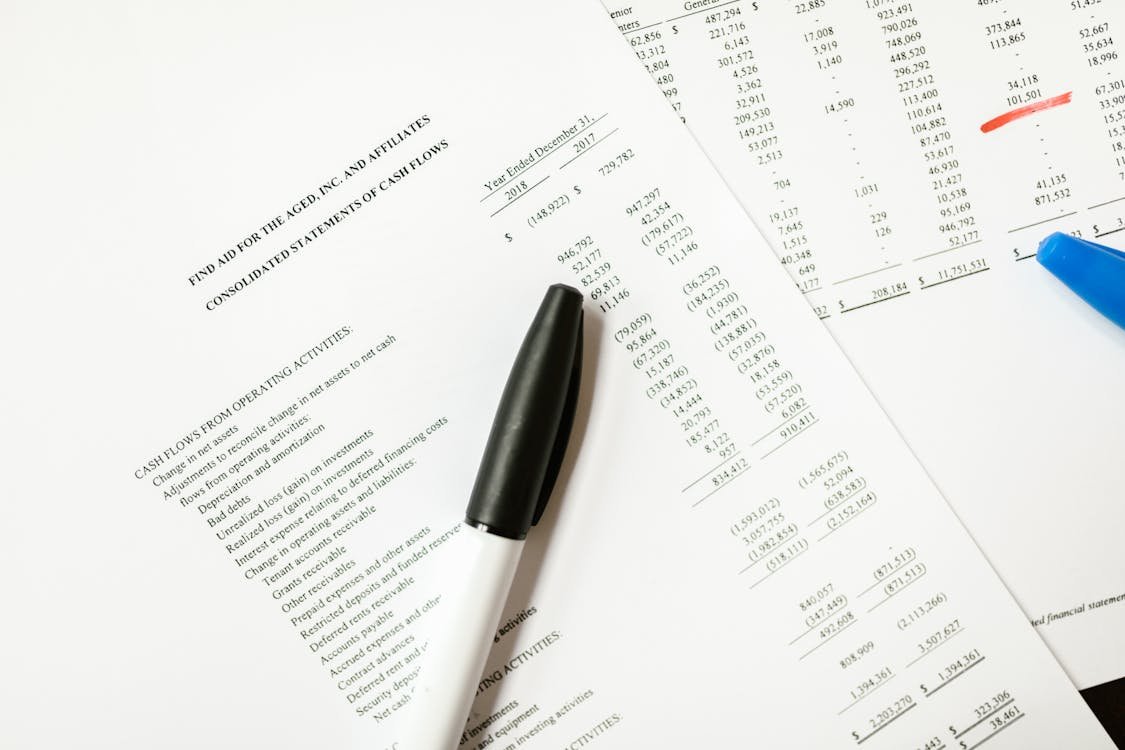
In the dynamic world of aviation financing, plane loan audits have become an essential part of ensuring transparency, security, and financial integrity. Just like mortgage-backed securities and other types of asset-backed loans, aviation loans are subject to complex financial structures, regulations, and scrutiny. Whether you’re a lender, borrower, or investor, understanding the importance of these audits can safeguard your interests and offer insights into the true value of your aviation assets.
In this blog, we will delve deep into plane loan audits, explore their significance, and discuss how they contribute to overall financial stability. Along the way, we will also touch upon related topics like loan securitization, mortgage-backed securities, and advanced fraud investigation techniques, which are vital for anyone dealing with aviation financing.
What are Plane Loan Audits?
A plane loan audit is an in-depth examination of the financial records, documents, and compliance of a loan used to purchase or lease an aircraft. These audits serve as a means to verify the terms of the loan, assess the risk involved, and ensure that both parties — the lender and the borrower — are adhering to the agreed-upon terms.
The auditing process involves a detailed review of several key components:
- Loan Documentation: This includes assessing the loan agreement, amortization schedules, interest rates, and payment terms.
- Aircraft Valuation: The auditor will assess the current value of the aircraft to ensure it aligns with the loan amount and repayment schedule.
- Financial Health of the Borrower: A thorough examination of the borrower’s financial condition, including income statements, balance sheets, and cash flow projections, is necessary.
- Compliance with Regulations: The audit ensures that the loan is compliant with aviation-specific laws and regulations.
- Securitization Review: For loans that are part of larger portfolios or have been securitized, a review of the securitization structure is vital to ensure everything is in order.
In essence, a plane loan audit is designed to identify discrepancies, mitigate risk, and protect both the borrower and the lender from potential financial losses.
Why are Plane Loan Audits Important?
Plane loan audits are critical for several reasons. Let’s take a closer look at the importance of these audits:
- Ensuring Accurate Loan Valuation
Aircraft loans, like any other form of financing, are subject to fluctuations in value. The value of an aircraft may change over time due to factors such as depreciation, market demand, and technological advancements. A plane loan audit allows the lender to verify the current value of the aircraft and make adjustments if necessary.
In addition to assessing the physical asset’s value, the audit also ensures that the loan securitization process has been correctly handled. Securitization allows loans to be bundled together and sold as securities to investors. Proper audit techniques ensure that all financial transactions associated with the loan and its securitization are accurate and legitimate.
- Fraud Detection and Prevention
Aviation financing is susceptible to various types of fraud. Whether it’s through mortgage-backed securities or fraudulent representations about the financial stability of the borrower, there are plenty of opportunities for malicious actors to exploit the system.
Fraud investigation techniques used in plane loan audits can help identify red flags, such as inflated asset values, falsified income statements, or misrepresented aircraft documentation. Detecting such fraudulent activities early can prevent significant financial losses and protect both the borrower and the lender from legal or financial repercussions.
- Compliance with Regulations
The aviation industry is heavily regulated, and financial transactions involving aircraft are no exception. From tax laws to international aviation rules, there are various regulations that govern aviation loans. A plane loan audit ensures that all legal requirements are met and that the loan agreement complies with both national and international laws.
This level of scrutiny helps mitigate the risk of regulatory violations, which can result in hefty fines or even criminal charges. A thorough audit can also help with loan restructuring if necessary, ensuring that the borrower remains compliant throughout the loan term.
- Assessing Financial Risk
A plane loan audit provides a detailed analysis of the financial risks associated with a particular loan. This includes assessing the borrower’s creditworthiness, the viability of the loan repayment plan, and the long-term sustainability of the financing structure.
For instance, in loan securitization, the risk is spread across various investors who buy into the loan. Auditing ensures that the underlying loans are sound and not at risk of default, which could negatively affect the value of the securitized loan.
- Enhancing Transparency for Investors
Investors in aviation loans, particularly those who purchase mortgage-backed securities or other asset-backed securities, rely heavily on accurate data and transparent audits. A plane loan audit provides the necessary assurance that the underlying assets are performing as expected, and that the loan terms are being adhered to. This level of transparency builds investor confidence and helps maintain a healthy secondary market for aviation-backed securities.
The Role of Loan Securitization in Plane Loan Audits
Securitization is a common practice in aviation financing, where loans are bundled together and sold to investors as securities. These securitized loans often make up a significant portion of an aircraft’s financing, which means that understanding the process is crucial when conducting a plane loan audit.
In the context of loan securitization, an audit will verify the following:
- Asset-backed securities performance: Ensuring that the loans bundled into the securities are performing as expected and meeting their repayment schedules.
- Risk analysis: Auditors will assess the risk involved in each securitized loan and its impact on the overall portfolio.
- Investor protection: Auditing helps ensure that investors are adequately protected from losses due to defaults or mismanagement of the loans.
The audit process provides an extra layer of security for both lenders and investors by identifying any discrepancies in the securitization process, ensuring that the loans are correctly classified, and verifying the underlying asset’s value.
Advanced Fraud Investigation Techniques in Plane Loan Audits
Given the complexity and high value of aviation loans, fraud is a real risk. To combat this, fraud investigation techniques have become an integral part of the plane loan audit process. These techniques include:
- Document Verification
Auditors will thoroughly examine all loan documentation to ensure that there are no inconsistencies or signs of tampering. This includes checking aircraft ownership records, inspection logs, and financial statements for signs of falsification.
- Forensic Accounting
Forensic accountants are often involved in auditing aviation loans, particularly when fraud is suspected. They use specialized techniques to trace financial transactions, identify irregularities, and assess the legitimacy of loan documents and financial statements.
- Data Analytics
With the rise of digital technology, data analytics is becoming an increasingly important tool in fraud detection. By analyzing large sets of financial data, auditors can identify patterns of behavior that suggest fraudulent activity. These tools allow auditors to quickly assess risks and detect anomalies that might otherwise go unnoticed.
- Third-Party Verification
Often, auditors will engage third-party firms to verify critical aspects of the loan, such as aircraft value, ownership, and the financial status of the borrower. Third-party verifications add an extra layer of credibility and reduce the likelihood of fraud.
How Plane Loan Audits Benefit Lenders, Borrowers, and Investors
For Lenders:
- Risk Reduction: A plane loan audit helps lenders identify potential risks and make informed decisions about loan approval and pricing.
- Regulatory Compliance: Ensuring compliance with all relevant regulations helps avoid costly fines or penalties.
- Fraud Prevention: Lenders can detect signs of fraud before it results in significant losses.
For Borrowers:
- Financial Integrity: Borrowers can use audits to verify that their financial statements and loan terms are in order, which could help in negotiating better loan terms in the future.
- Trust with Lenders: A clean audit helps foster trust with lenders and investors, making future financing opportunities more accessible.
For Investors:
- Confidence in Securitized Loans: Audits provide investors with the assurance that the loans they are investing in are sound and the risks are being properly managed.
- Transparency: Investors benefit from the increased transparency that comes with regular audits, which helps in making well-informed investment decisions.
Conclusion: Why Plane Loan Audits Matter
As the aviation industry continues to evolve, plane loan audits remain an essential tool for maintaining financial stability, promoting transparency, and preventing fraud. These audits provide valuable insights into the true financial health of aviation loans, helping all parties involved mitigate risk and ensure compliance with regulations. For lenders, borrowers, and investors, regular and thorough audits are a key part of safeguarding interests and securing long-term success in aviation financing.
If you are looking to ensure the integrity of your aviation loans or are interested in learning more about mortgage-backed securities, loan securitization, or fraud investigation techniques, reach out to our team of experts at Mortgage Audits Online. Our professional audit services can help you navigate the complexities of plane loan financing and make informed decisions.
Leave a Reply