
Best Practices for Boat Loan Audits in 2025
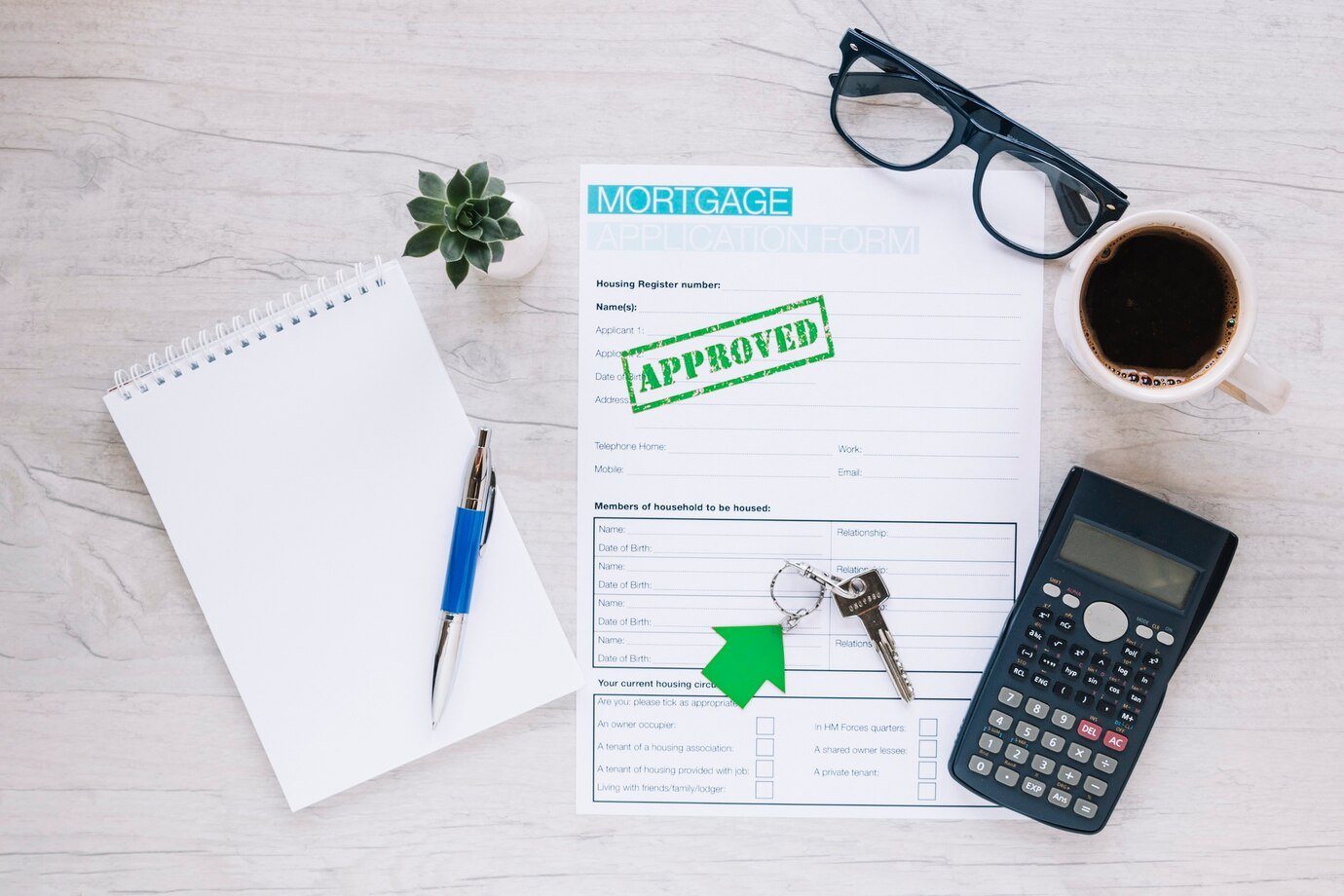
Navigating the complex waters of boat loan audits in 2025 demands precision, expertise, and a proactive approach. The boating industry has seen remarkable growth in recent years, and with that comes an increased need for robust auditing practices. This comprehensive guide dives into the essential strategies and tools that financial professionals and lenders must adopt to ensure compliance, minimize risk, and uncover irregularities in boat loan processes.
The Growing Importance of Boat Loan Audits
As recreational boating surges in popularity, so does the demand for boat financing. This upward trend has resulted in a more intricate financial landscape, where risks of default, fraud, and errors are ever-present. Boat loan audits serve as a safeguard, ensuring lenders and investors uphold financial integrity while providing borrowers with fair lending practices.
Expert Comment:
“With the boating market expanding rapidly, financial institutions cannot afford to overlook the importance of loan audits. A robust audit process not only mitigates risks but also builds trust among stakeholders,” says Mark Edwards, a financial auditor with over 15 years of experience in loan securitization.
Core Objectives of Boat Loan Audits
- Ensuring Compliance with Regulatory Standards
Financial regulations surrounding boat loans are evolving. Audit processes must ensure compliance with local, national, and international lending laws. Non-compliance can lead to hefty fines and reputational damage. - Detecting and Preventing Fraud
Fraudulent activities, including falsified documents or inflated valuations, are common in the boating industry. By employing advanced fraud investigation techniques, auditors can identify discrepancies early and prevent financial losses. - Validating Loan Securitization Processes
Many boat loans are bundled into mortgage-backed securities or other investment vehicles. Proper auditing ensures that these securitizations are backed by authentic and risk-assessed loans.
Emerging Trends in Boat Loan Auditing
Leveraging Technology for Enhanced Accuracy
Artificial intelligence (AI) and machine learning are transforming boat loan audits. By analyzing large datasets, these technologies uncover patterns that human auditors might overlook, streamlining the auditing process.
Focus on Environmental Impact
Sustainability is becoming a priority across industries. Auditors now consider the environmental impact of financed boats, including their compliance with emission standards and eco-friendly designs.
Comprehensive Risk Assessments
Risk assessments now encompass market volatility, borrower reliability, and the value retention of financed boats. Such assessments provide lenders with a clearer picture of potential vulnerabilities.
Key Steps in Conducting a Successful Boat Loan Audit
- Data Collection and Verification
Begin by gathering all relevant documents, including loan agreements, borrower financial records, and boat appraisals. Verify the authenticity and accuracy of this data to build a solid foundation for the audit. - Assessing Loan Underwriting Standards
Review the underwriting process to ensure the loan was approved based on sound financial principles and accurate borrower information. This step is crucial in identifying potential compliance issues. - Evaluating Loan Performance
Analyze the repayment history and financial performance of the loan. Early signs of default or irregular payment patterns often indicate underlying problems. - Inspecting Securitization Details
If the loan has been securitized, ensure it meets all criteria for inclusion in mortgage-backed securities or similar financial products. This includes verifying collateral value and loan-to-value ratios.
Best Practices for Boat Loan Audits in 2025
- Adopting Proactive Fraud Detection
Proactively use fraud investigation techniques, such as advanced analytics and blockchain verification, to detect and prevent fraudulent activities. Implementing these tools early can save significant costs and legal troubles down the line.
- Enhancing Collaboration Among Stakeholders
Boat loan audits are most effective when lenders, auditors, and investors work together. Open communication and shared goals ensure the audit process runs smoothly and delivers actionable insights.
- Staying Updated on Regulatory Changes
With new financial laws emerging, it is critical for auditors to stay informed about changes affecting boat loan compliance. Regular training and updates help maintain a high standard of auditing practices.
Challenges in Boat Loan Audits and How to Overcome Them
Incomplete or Inaccurate Data
Auditors often face challenges with incomplete documentation. Implementing robust document management systems and verifying data at the outset can mitigate this risk.
Complex Securitization Structures
The bundling of loans into mortgage-backed securities can create auditing complexities. Engaging specialists with experience in loan securitization simplifies the process.
Limited Access to Borrower Information
Privacy regulations sometimes restrict access to borrower details. Ensure compliance with data protection laws while leveraging authorized information for a thorough audit.
The Role of Technology in Boat Loan Audits
Technology is a game-changer for boat loan audits. Modern tools provide unparalleled accuracy and efficiency. Here’s how technology is revolutionizing the process:
- AI-Driven Analytics: Predictive analytics identify potential risks before they escalate.
- Blockchain: Securely verifies the authenticity of documents and transactions.
- Cloud Computing: Facilitates seamless data sharing among stakeholders, improving audit efficiency.
Expert Testimonials on the Importance of Auditing
“Our organization saw a 30% improvement in fraud detection after adopting advanced audit technologies for boat loans,” shares Rachel Thompson, CFO of Marine Finance Solutions.
“Boat loan audits are no longer just about compliance; they’re about optimizing financial performance and minimizing risks,” emphasizes John Carter, a securitization expert.
Real-World Case Study: Avoiding Fraud in Boat Loan Securitization
In 2024, a leading financial institution uncovered a major fraud scheme during a routine boat loan audit. The perpetrators had falsified borrower incomes to secure higher loan amounts. By implementing cutting-edge fraud investigation techniques, the auditors identified the irregularities, saving the institution millions in potential losses.
This case underscores the critical role of proactive and detailed auditing in safeguarding financial institutions.
Why Choose Mortgage Audits Online for Boat Loan Audits?
Mortgage Audits Online stands as a trusted leader in the field of boat loan audits, offering:
- Customized Audit Solutions tailored to your needs.
- Advanced Tools and Techniques to uncover irregularities.
- Expert Guidance from seasoned professionals in loan securitization and fraud investigation techniques.
Ready to take the next step? Contact us at (877)-399-2995 or visit Mortgage Audits Online to learn more.
Conclusion: The Future of Boat Loan Audits
The future of boat loan audits lies in embracing innovation, fostering collaboration, and maintaining the highest standards of accuracy and compliance. By adopting these best practices, financial institutions can navigate the complexities of 2025 with confidence, ensuring their portfolios remain secure and profitable.
Whether you’re a lender, investor, or auditor, the key to success is staying ahead of the curve. Trust experts like Mortgage Audits Online to guide you through every step of the process.
Don’t wait until it’s too late—secure your financial future today! Contact us at (877)-399-2995 or visit Mortgage Audits Online for unparalleled auditing services.
Leave a Reply