
Unveiling Blanket Loan Fraud: The Covert Tactics of Fraudstars in the Mortgage Industry
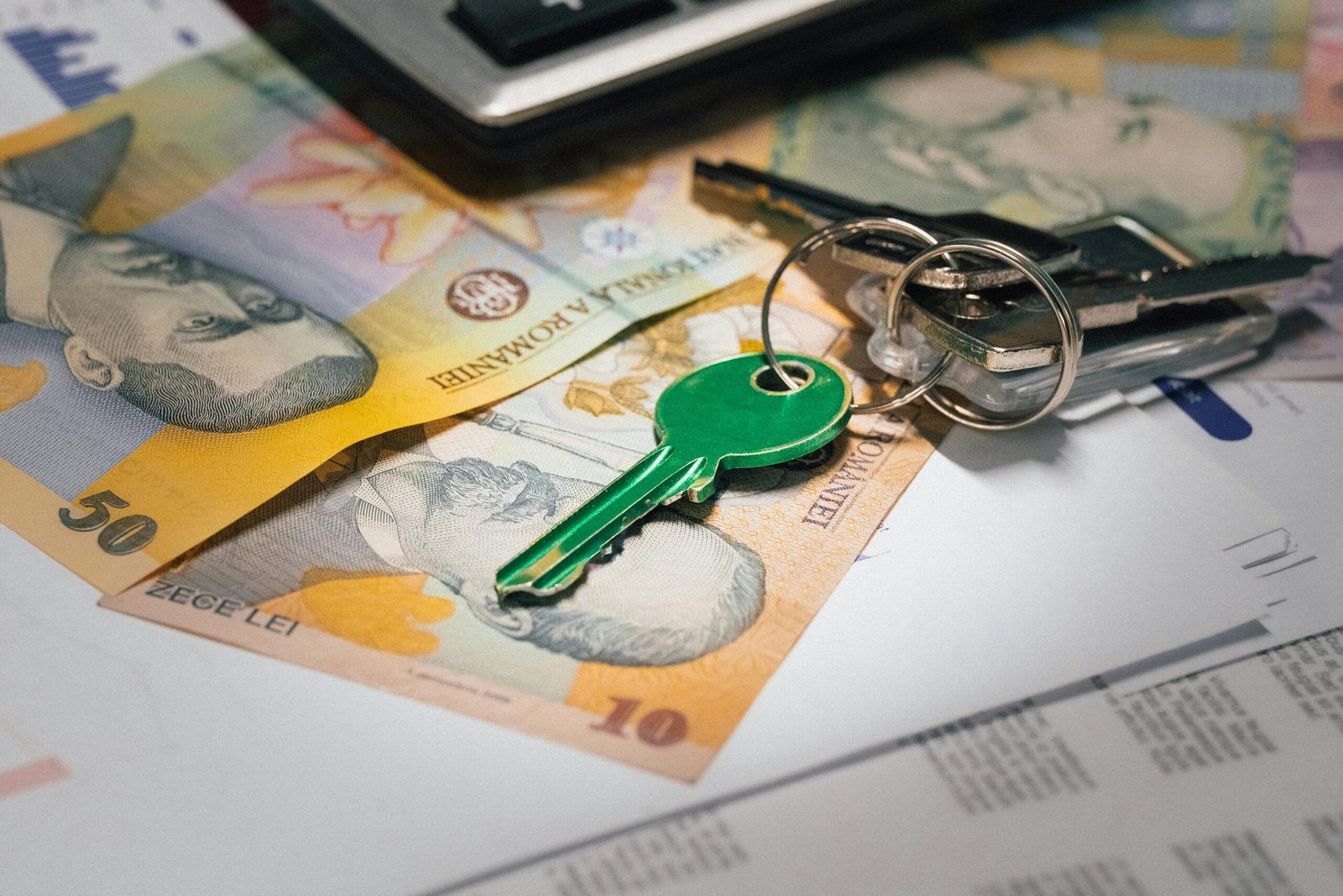
Blanket loan fraud is one of the most insidious and underreported financial crimes sweeping through real estate and mortgage markets today. While much public attention focuses on traditional mortgage fraud, the reality is that blanket loans—used to finance multiple properties under one mortgage—are increasingly exploited by organized fraudstars for massive, multi-layered scams. These fraudsters, often operating as seemingly legitimate investors, brokers, or shell companies, manipulate blanket loans to drain financial institutions, deceive homeowners, and distort property markets.
This sophisticated fraud isn’t just a simple misrepresentation on paperwork. It’s a deliberate and often orchestrated scheme where large-scale fraudstars create false property portfolios, inflate values, conceal defaults, and engineer foreclosure abuse, all under the radar. As blanket loans inherently involve multiple properties bundled under one mortgage contract, they offer a fertile ground for financial manipulation, making detection far more difficult than conventional loan fraud.
In this article, we shine a spotlight on how blanket loan fraud works, who the main culprits (fraudstars) are, and why forensic mortgage audits are becoming the most powerful tools to expose and prevent such fraud.
Understanding the Structure of a Blanket Loan—and How It’s Exploited
Blanket loans are typically used by real estate investors, builders, or developers to finance several properties under one loan, streamlining the financing process and reducing overhead costs. On the surface, this structure is economically practical. However, its complexity also provides numerous vulnerabilities that fraudsters can exploit.
Fraudstars leverage this complexity to fabricate borrower identities, falsify asset documentation, inflate property appraisals, or hide the financial performance of individual properties within the group. Because lenders often do not inspect each property individually, fraudulent activities can remain concealed until it’s too late.
These scams often involve shell corporations, straw buyers, or even ghost properties—buildings that don’t exist or aren’t owned by the borrower. In many cases, the blanket loan is refinanced repeatedly, with each cycle deepening the deception. The fraudstar continues extracting equity and misdirecting cash flows until the entire structure collapses—leaving banks, homeowners, and investors with devastating losses.
The Rise of Fraudstars in Blanket Loan Schemes
The term “fraudstars” perfectly describes the masterminds behind modern blanket loan scams. These are not impulsive criminals but strategic, often well-connected individuals who masquerade as real estate professionals, financial consultants, or institutional investors. They understand real estate finance, mortgage underwriting, and regulatory blind spots well enough to weaponize them.
Using a mix of false documentation, counterfeit liens, fake title companies, and bogus escrow accounts, fraudstars weave intricate webs of deceit. They often recruit insiders—appraisers, notaries, brokers, or even attorneys—to participate in the fraud, making these schemes harder to detect. In many situations, even legitimate borrowers are unknowingly involved, with their personal data stolen or misused.
The impact is severe: investors suffer catastrophic losses, neighborhoods are destabilized by foreclosures, and banks write off millions in fraudulent loans. Yet, because these operations mimic legitimate multi-property investments, they frequently evade early detection—until forensic audits are conducted.
Why Forensic Loan Audits Are Critical in Detecting Blanket Loan Fraud
Traditional audits often miss the red flags embedded in blanket loan documents. This is where forensic mortgage audits come into play. These detailed investigative processes dig deep into the loan origination, securitization, and transaction trail to uncover inconsistencies, forged signatures, missing endorsements, and illegal loan pooling.
Forensic audits conducted by experts familiar with securitization and mortgage fraud have been instrumental in uncovering the extent of fraud behind many high-profile blanket loan schemes. By tracing ownership rights, title transfers, loan assignments, and MERS records, auditors can identify when and where the fraud began, and who benefited from it.
These audits are not only crucial for legal proceedings and fraud recovery but also for preventing future scams by strengthening oversight protocols in high-risk lending environments.
Inside the Tactics: How Fraudstars Orchestrate Blanket Loan Fraud
Blanket loan fraud is not a random act of deceit—it is a carefully crafted, systematic manipulation of the lending process. Fraudstars, with their deep knowledge of real estate financing, leverage gaps in due diligence and oversight to engineer multi-layered schemes that span across properties, counties, and even state lines. Let’s explore how these fraud architects operate within the structure of blanket loans, turning a legitimate investment tool into a weapon of mass deception.
Property Value Inflation: The Starting Point of Deception
One of the earliest and most common tactics in blanket loan fraud is artificial property inflation. Fraudstars often collaborate with dishonest or inexperienced appraisers to submit inflated valuations of properties included in the blanket loan portfolio. Since blanket loans usually involve multiple properties, lenders often rely on summarized appraisals instead of inspecting each property independently. This allows exaggerated values to slip through undetected.
For example, a fraudstar might acquire five properties for $100,000 each but appraise them at $200,000 per property. They then secure a blanket loan of $1 million, effectively extracting double the actual value. These overvalued properties are often located in distressed markets or are cosmetically enhanced to deceive drive-by inspections.
Use of Straw Buyers and Fake Borrower Profiles
Fraudstars rarely operate alone. They frequently use straw buyers—individuals who lend their name and credit history for loan applications in exchange for compensation. These buyers are often unaware of the scope of the fraud or are complicit in the operation.
To cover tracks and reduce liability, fraudstars build fictitious borrower profiles with forged employment records, fake tax returns, and counterfeit W-2s. These documents are then submitted to lenders, who believe they are financing a credible investor managing multiple rental properties.
In some instances, fraudstars set up ghost corporations as borrowers—entities with no real assets or history. By the time the loan defaults, the fraudster has vanished, and the lender is left chasing a paper trail with no assets to seize.
Identity Theft and Title Fraud
Another advanced tactic in blanket loan fraud involves identity theft and title manipulation. Fraudstars may hijack a legitimate borrower’s identity or forge title documents to appear as the rightful owner of multiple properties. This enables them to secure a blanket loan without actually owning the collateral properties.
They often file fraudulent quitclaim deeds, shifting ownership of properties into their name or that of a straw buyer. These transfers are recorded with county clerks, lending legitimacy to an otherwise bogus transaction. In many states, the lack of stringent title verification opens the door to such abuse.
Layered Refinancing and Equity Stripping
After acquiring an initial blanket loan through fraud, the next phase often involves refinancing the loan multiple times to extract maximum equity. This tactic, known as “equity stripping”, allows the fraudstar to pull cash from the properties without making improvements or generating rental income.
The fraudster may also bundle additional fraudulent properties into the refinance, using previous inflated valuations to justify higher loan amounts. In each round, more capital is extracted while the debt is quietly shifted across shell entities or straw buyers. Eventually, the properties fall into default, often simultaneously, creating a ripple effect of losses for multiple lenders.
Fabrication of Rent Rolls and Income Statements
To convince lenders of the blanket loan’s profitability, fraudstars often fabricate rental income statements and tenant leases. These fake rent rolls show all units as occupied, with above-market rents and zero delinquency. In reality, many units may be vacant or rented below claimed rates.
Falsified income and expense statements present the portfolio as cash-flow positive, ensuring smoother approval from underwriters. These statements are often created using altered accounting software or forged management company reports.
Mortgage underwriters reviewing such blanket loans may accept these documents at face value if they come from a seemingly reputable management firm—often another shell company controlled by the fraudstar.
Collusion with Industry Insiders
Blanket loan fraud frequently succeeds because of collusion between fraudstars and insiders in the mortgage ecosystem. These include:
- Appraisersinflating property values
- Loan officersfast-tracking suspicious applications
- Notariesverifying forged signatures
- Attorneys and title agentsclearing liens that don’t exist
Such collaboration enables fraudstars to create a seamless chain of documents that appear legitimate but are carefully engineered to support the fraud. Once the blanket loan is funded, the fraudster may pay off these insiders, further insulating themselves from exposure.
The Role of Forensic Audits in Uncovering the Truth
Conventional compliance and underwriting audits often miss the signs of blanket loan fraud, especially when fraudstars cloak their activities under legal documentation and multiple property addresses. This is where forensic mortgage audits play a transformative role.
These audits go beyond surface-level review. A forensic loan audit investigates the chain of title, note assignments, MERS records, UCC filings, securitization pathways, and underwriting red flags. It uncovers:
- Missing or duplicated loan documents
- Invalid endorsements and robo-signing
- Conflicts of interest in valuation and closing
- Violations of federal lending laws
By mapping the timeline of ownership, refinancing events, and payment histories, auditors can reconstruct the fraud, pinpoint responsible parties, and provide crucial evidence for litigation or recovery.
Fraudstars Thrive in the Shadows—Until Exposed
Blanket loan fraud may be complex, but it’s not invisible. Fraudstars rely on secrecy, collusion, and systemic loopholes—but once forensic scrutiny is applied, their schemes unravel. Each forged document, inflated appraisal, and fake lease becomes a breadcrumb trail leading to accountability.
As blanket loan fraud continues to affect homeowners, investors, and financial institutions alike, the need for public awareness, legal reform, and proactive auditing has never been greater.
The Fallout of Blanket Loan Fraud: Who Pays the Price?
The consequences of blanket loan fraud go far beyond the initial deception. Once the fraud unravels, the damage is widespread—affecting not only the financial institutions that funded these fraudulent loans, but also innocent homeowners, neighborhoods, real estate markets, and ultimately taxpayers. Fraudstars walk away with millions, but the aftermath leaves devastation in its wake.
When a fraudulent blanket loan defaults, lenders are often left holding properties with inflated values, reduced marketability, or legal complications stemming from forged titles and ownership disputes. In many cases, banks and mortgage companies absorb massive losses, which are then passed on through higher interest rates, tightened lending standards, or worse—federal bailouts funded by public money.
For legitimate property owners who unknowingly purchase homes tied to a fraudulent blanket loan, the risks are even more severe. They may find themselves embroiled in foreclosure disputes, facing eviction, or struggling to prove clear title. These individuals become collateral damage in fraudstar schemes, caught in legal battles that can drain finances and destroy credit ratings.
Communities also suffer. When multiple properties within a blanket loan go into foreclosure at once, it can lead to blight, falling property values, and reduced municipal tax revenues. The ripple effect is long-lasting and difficult to reverse.
Loan Fraud Investigations and the Path to Justice
The fight against blanket loan fraud requires more than conventional policing. It demands expert mortgage audits, securitization investigations, and legal action backed by forensic documentation. Increasingly, law firms and financial watchdogs are relying on forensic audit specialists to reconstruct fraudulent transactions, trace hidden assets, and bring fraudstars to justice.
Regulatory agencies and task forces are beginning to prioritize these complex cases, especially when fraud crosses state or federal jurisdictions. However, the most effective breakthroughs often begin with a mortgage fraud audit—a deep, document-driven investigation that exposes what surface-level reviews often miss.
Whether you’re a homeowner, investor, or industry professional, understanding the mechanisms of blanket loan fraud is the first step toward prevention and protection. With fraudstars becoming more sophisticated, the need for vigilance, audits, and accountability has never been more urgent.
Conclusion:
Exposing Blanket Loan Fraud and Holding Fraudstars Accountable
Blanket loan fraud is a sophisticated financial crime that exploits the complexity of multi-property mortgages, allowing fraudstars to manipulate valuations, falsify documents, and conceal ownership structures. The damage left behind is not just financial—it affects homeowners, lenders, and entire communities. As fraudstars evolve their tactics, traditional audits are no longer enough.
This is where forensic mortgage audits and loan fraud investigations become essential. By tracing the truth hidden in the paperwork, these tools expose the fraud and lay the groundwork for justice. Whether you’re a property investor, borrower, or financial professional, staying informed and proactive is your best defense.
The battle against blanket loan fraud starts with awareness and ends with action. Don’t let fraudstars go unchecked—invest in a comprehensive mortgage audit and take a stand for financial transparency and accountability.
Take Action Today—Stop Blanket Loan Fraud with Fraud Stoppers®
If you suspect you’re a victim of blanket loan fraud or want to safeguard your mortgage from potential fraudstars, don’t wait until it’s too late. Fraud Stoppers® is America’s premier source for forensic mortgage audits, loan fraud investigations, and securitization audits—trusted by attorneys, homeowners, and investors nationwide.
Our team of experts will help you uncover hidden fraud, identify illegal practices, and provide the evidence you need to fight back. Whether you’re facing foreclosure, suspect title fraud, or need a second opinion on your loan documents, Fraud Stoppers® is your frontline defense.
🔎 Visit us at fraudstopperspro.com
📍 100 Rialto Place, Suite 700, Melbourne, FL 32901
📞 Call Today: 877-399-2995 or (310) 634-2883
📠 Fax: (877) 398-5288
Expose the fraud. Demand accountability. Get the justice you deserve—with Fraud Stoppers
Leave a Reply